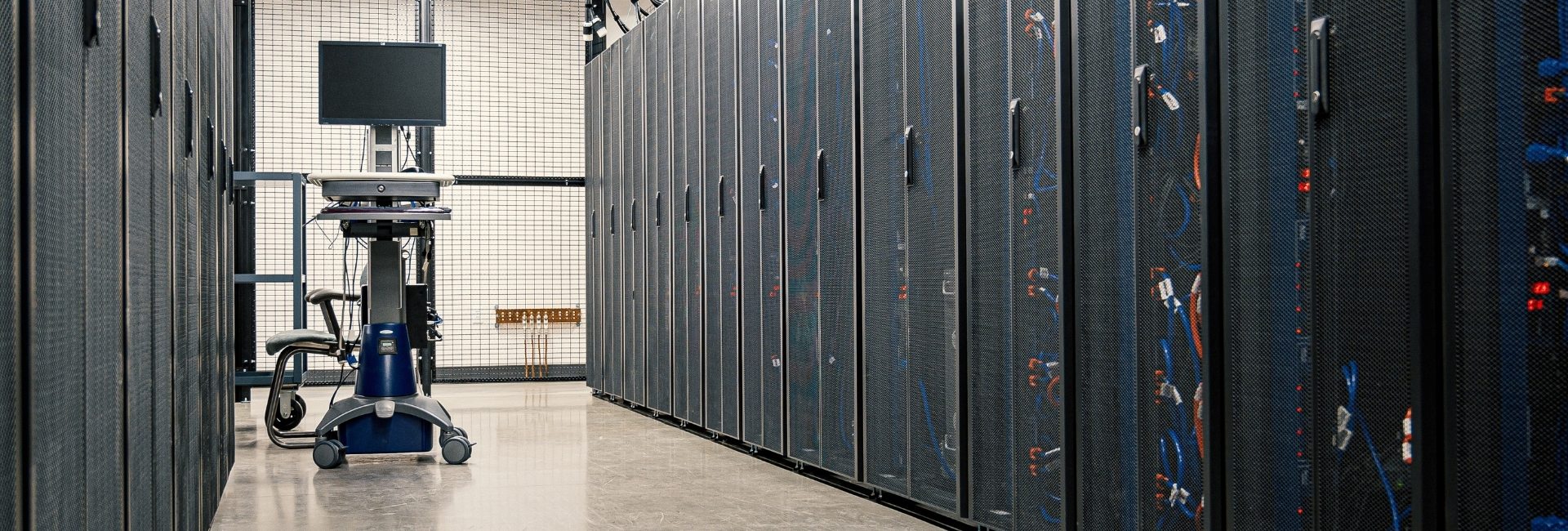
ENGIE designs, deploys, operates and aggregates grid scale and onsite energy storage systems, which can dispatch electricity when needed, even during peak hours, with 24/7 reliability.
Our storage portfolio
Grid-scale storage offers reliability and ancillary services to meet the growing demand for electricity needs.
Grid-scale storage
Today, ENGIE has 35 grid-scale energy storage projects in North America with the capacity to deliver ~3.5 GW of power to the grid.
These projects support the growing demand for renewable energy and enable greater reliability and resilience on power grids, while enabling the net zero energy transition. They also contribute to ENGIE’s global aspiration of 10 GW of energy storage installed by 2030.
Ensuring reliability
Battery-operated storage addresses historic intermittency concerns with some renewable energy options, such as solar and wind. When implementing a hybrid option paired with storage— the result is reliable, clean energy.
By integrating energy production with onsite storage and management, companies, universities, and municipalities ensure every kilowatt generated is used and value created.
Creating value with smart management
Through time-shift usage, increasing self-generation, reducing demand spikes, and hedging against rate changes, storage can deliver cost-efficient energy savings. We are experts in evaluating how our customers’ facilities use energy and find the best way to maximize bill savings through a combination of load management, “smart” energy storage, and distributed generation.
Our on-site battery systems are designed to capture and store electricity and discharge it at a time of day that creates the most value. We analyze electric load profiles and utility tariffs, capture value through peak shaving, load shifting, selling ancillary services into the market and providing back-up power supply.
Generating revenue with Demand Response
Demand response (DR) programs can generate revenue. On-site storage systems can respond to DR requests to reduce demand from the grid by discharging power from the battery. These systems can be charged from co-located facilities as well as the wider grid, when appropriate.

Our Differentiators

Tailoring solutions for our partners
From evaluation to implementation, our partnered approach ensures a tailored onsite storage solution to meet your needs. We also assist in technology recommendations, product development, and system integration. We connect with you on all details as we partner with you to find the right solution to make the most of your energy, saving you money and making your energy more sustainable.